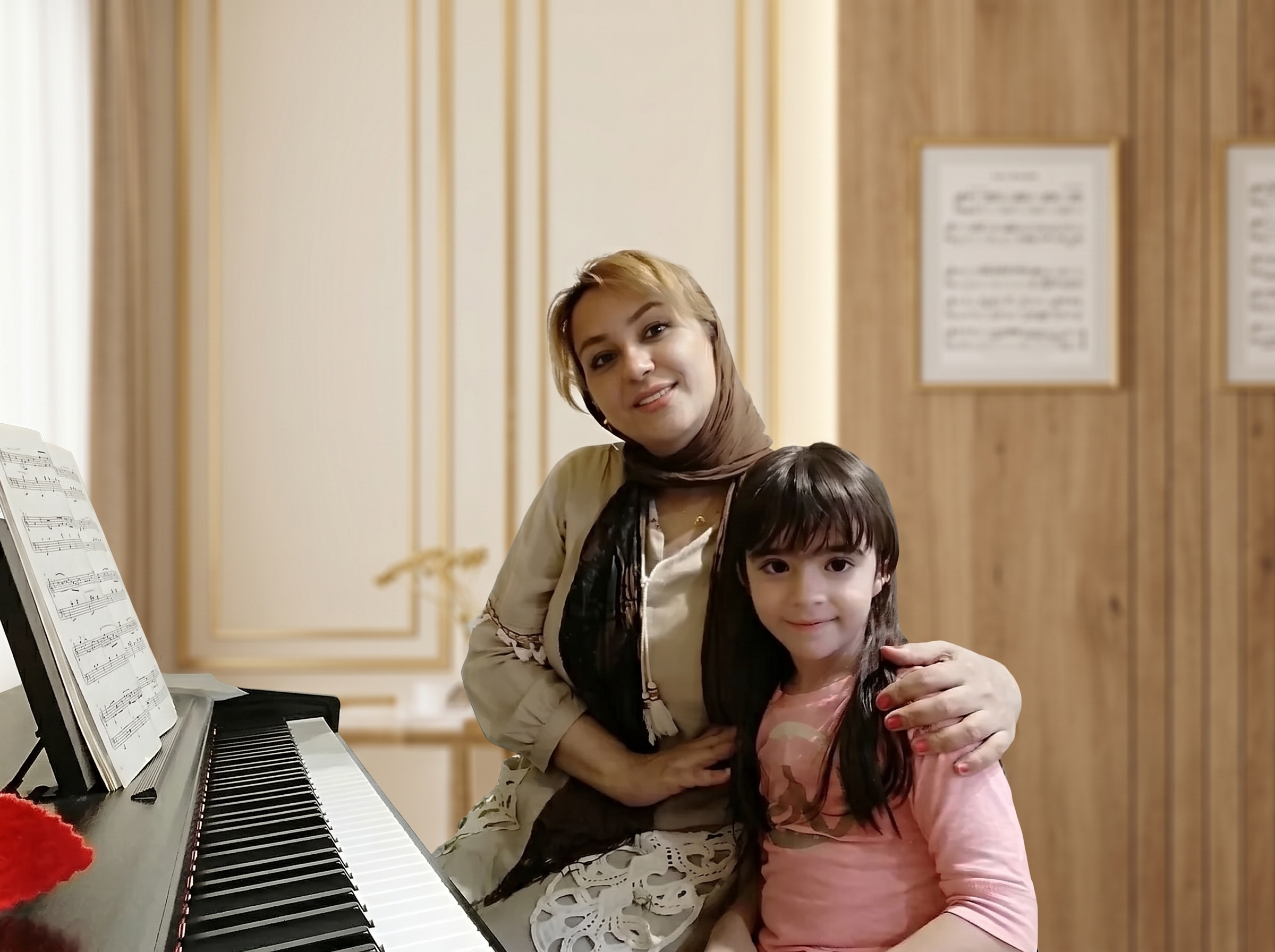
Few myths in the world of art are as pervasive as the "talent" requirement. We often look at virtuosos and assume they were born with a pre-installed musical chip. This belief, while romantic, creates a significant barrier for many who wish to experience the joy of making music. At Eli Melody, we believe that understanding the distinction between talent and skill is the first step toward true musical mastery.
What Does Musical Talent Actually Mean?
Scientifically, "talent" is often a catch-all term for a complex synergy of biological predispositions. It involves high-level auditory skills (the ability to distinguish pitch and rhythm accurately), exceptional auditory memory, and fine motor coordination. While some individuals do have a higher starting point in these areas, these are "raw materials," not the finished product.
The Biological Advantage
Genetic factors might influence how quickly a brain processes musical structures, but they do not dictate the final destination of the musician's journey.
Why Talent Is Often Exaggerated
Social media and historical hagiographies of composers have skewed our perception. We see the 30-second highlight reel or the legendary child prodigy. What we don't see are the years of hidden, repetitive practice—the "boring" work of scales, ear training, and technical exercises. Talent is a head start, but effort is the engine.
What Research Says About Skill Development
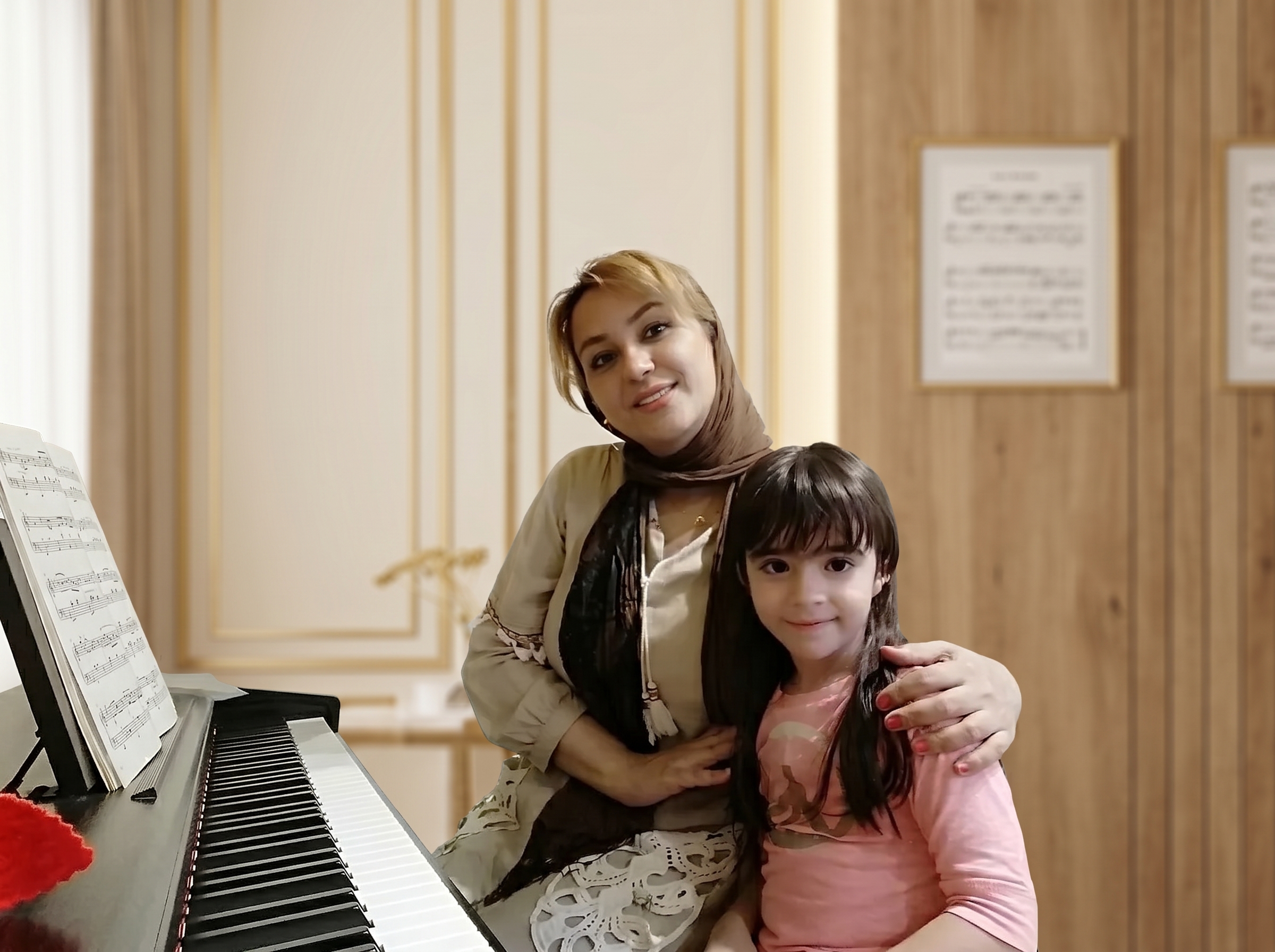
Neuroplasticity research confirms that the brain is remarkably adaptable. Targeted practice—defined as focused, goal-oriented repetition—actually rewires the brain. Areas responsible for motor control and auditory processing thicken and become more efficient through instruction. It is the quality of the teaching and the regularity of practice that determines the outcome.
Learning Speed
Everyone learns at different speeds. A "slower" learner often develops a more profound, deeply rooted technical understanding than one who breezes through.
Methodology
The critical role of teaching cannot be understated. Personalized instruction bridges the gap between frustration and achievement.
Consistency
Interest and patience are far more reliable predictors of long-term musical success than raw aptitude.
Personalized Learning at Eli Melody
We recognize that every student is unique. That's why our digital courses offer tailored paths. For the same lesson, you can choose between different video instruction styles—some focusing on technical theory, others on intuitive "play-along" methods. We adapt to your natural learning style.
You Have Potential.
Most people possess far more musical potential than they realize. The journey from silence to song is not a gate reserved for the elite—it is an open path for anyone willing to walk it with curiosity and commitment.