Music, Memory and Lifelong Learning
The intersection of neuroplasticity and artistic expression: How the pursuit of music transcends age and cultivates a sharper, more vibrant mind.
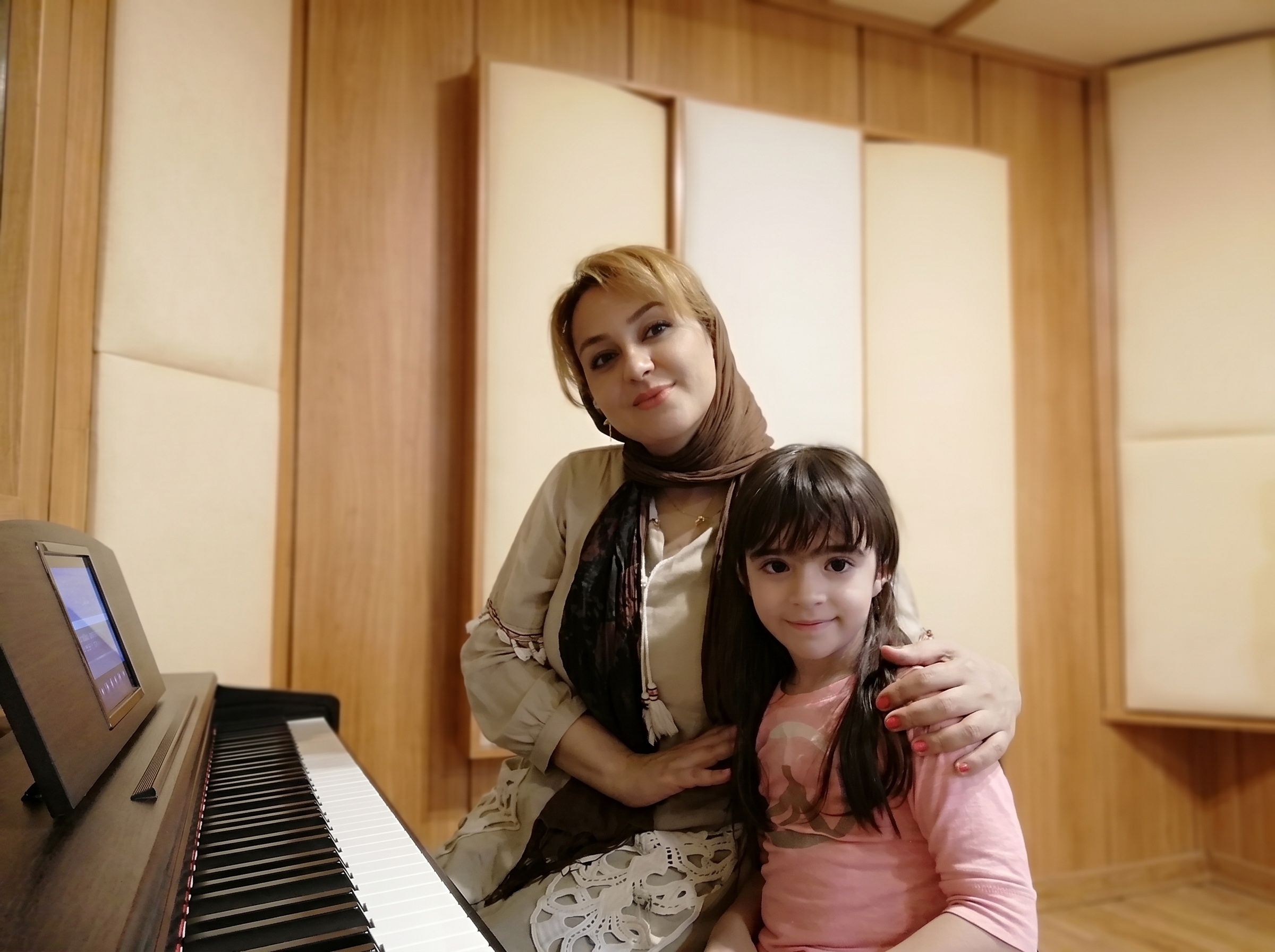
Learning Doesn't Stop After School
There is a persistent myth that the period for optimal learning ends with the closure of our formal academic careers. We often view childhood as the exclusive domain of neural expansion, yet modern science tells a much more hopeful story. Intellectual curiosity and the capacity for growth remain potent throughout our lives.
Music stands at the unique nexus of this journey. Unlike many singular cognitive tasks, musical engagement requires a symphony of brain regions to work in unison. Whether you are picking up a violin for the first time at fifty or returning to the piano after a thirty-year hiatus, the act of learning music may help bridge the gap between where your mind is today and its untapped potential.
What Is Lifelong Learning?
Lifelong learning is the "ongoing, voluntary, and self-motivated" pursuit of knowledge for either personal or professional reasons. It is not merely about accumulating facts; it is about maintaining a posture of openness toward the world.
Cognitive Reserve
Continuous learning builds "cognitive reserve," which can support brain resilience against aging.
Emotional Agility
New challenges foster adaptability and help maintain a sense of purpose and identity.
Why Music Is a Powerful Lifelong Learning Activity
If the brain were an orchestra, music would be the conductor that demands every section perform at its peak. Research suggests that musical training is one of the most complete mental exercises available.
Active Listening
Deciphering pitch, rhythm, and timbre sharpens auditory processing, which often declines with age.
Fine Motor Movement
The dexterity required for Adult Music education engages the motor cortex in complex ways.
Problem-Solving
Interpreting a musical score is akin to solving a multidimensional puzzle in real-time.
Music and Memory: Keeping Processes Active
The relationship between "music and memory" is one of the most well-documented areas of musicology and neuroscience. Musical memory is often preserved even when other forms of memory begin to fade. By engaging with music, we are essentially performing "cross-training" for our hippocampus and prefrontal cortex.
"Music doesn't just remind us of where we've been; it teaches our minds how to find new paths to the future."
Participating in active music-making can support the maintenance of working memory—the ability to hold and manipulate information. This has a "spillover effect" into daily life, aiding in everything from following complex conversations to navigating new environments.
Why Many Adults Return to Music
We see a beautiful trend at Eli Melody: the "Great Return." Many adults who studied as children are finding their way back to their instruments. But what drives this?
Reclaiming Dreams
Pursuing what was once a childhood passion without the pressure of grades or parental expectations.
Meaningful Hobby
Trading passive screen time for the active, meditative flow state found in practice.
Personal Growth
Proving to oneself that "it is never too late" to master a challenging new skill.
Music and Quality of Life
Beyond the cognitive benefits, there is a profound emotional landscape to explore. Research suggests that musical participation significantly reduces levels of cortisol (the stress hormone) and increases dopamine.
- check_circle Enhanced confidence through public or private performance.
- check_circle Reduced feelings of isolation through community engagement.
- check_circle A heightened sense of personal fulfillment and self-actualization.
Personalized Learning Matters: The EliMelody Approach
At Eli Melody, led by Elahe Mehrdad, we understand that an adult's time is precious and their goals are unique. We don't believe in a one-size-fits-all curriculum.
Every student receives a tailored roadmap. If your goal is to play Chopin by next winter, your resources will look different than someone who wants to learn jazz improvisation. This targeted approach ensures that the "lifelong learning" process remains engaging rather than overwhelming.
Learning Has No Expiration Date
The pursuit of music is a gift that keeps giving. It sharpens the mind, soothes the soul, and connects us to the grand tapestry of human expression. As we have explored, music may help maintain cognitive health and can support a high quality of life as we age.
Whether you are looking for "music for adults" to fill your spare time or to actively challenge your memory, Eli Melody is here to guide you. The first note is waiting to be played.