Choosing your first musical instrument is more than a practical decision; it is the beginning of a lifelong dialogue between yourself and the world of sound. At Eli Melody Music Academy, we often hear the same question from eager beginners: "Should I start with the piano or the violin?" Both instruments hold a legendary status in Western classical music, yet they offer vastly different tactile experiences and cognitive challenges.
Similarities between Piano and Violin
Despite their mechanical differences, both instruments require high levels of neuroplasticity and discipline. They both demand the development of independent hand movements, a deep understanding of music theory, and—eventually—the ability to "read" multiple layers of a musical score simultaneously. Before deciding, it is helpful to understand How to Choose an Instrument based on your physical comfort and tonal preference.
The Piano Advantage
- ● Visual Clarity: The linear layout of keys makes understanding scales and intervals intuitive.
- ● Immediate Sound: Unlike wind or string instruments, pressing a key produces a perfect, clear note from day one.
- ● Solo Versatility: The piano is a "complete orchestra" in one unit, capable of playing melody and harmony together.
The Violin Spirit
- ● Ear Training: Without frets or keys, students must develop a sharp ear for pitch and intonation.
- ● Expressiveness: The violin mimics the human voice, allowing for nuanced vibrato and dynamic bowing techniques.
- ● Portability: A violin can travel with you anywhere, fostering social music-making in orchestras or small ensembles.
Choosing for Children
For younger students, the choice often depends on physical development. The piano provides a stable posture and is excellent for building fine motor skills without the frustration of "out-of-tune" notes. However, the violin comes in fractional sizes (1/8, 1/4, etc.), making it physically accessible for even the smallest hands. Explore our Children's Music programs to see how we adapt pedagogy for each age group.
"Music is the movement of sound to reach the soul for the education of its virtue."
— Plato
Choosing for Adults
Adult learners often gravitate toward the piano for its logical structure and ability to play popular or jazz standards relatively quickly. Conversely, those seeking a meditative, deeply focused challenge often find the violin’s demand for precision immensely rewarding. Our Adult Music curriculum respects the busy schedules and cognitive strengths of mature students.
The 'Bridge' Option: The Recorder
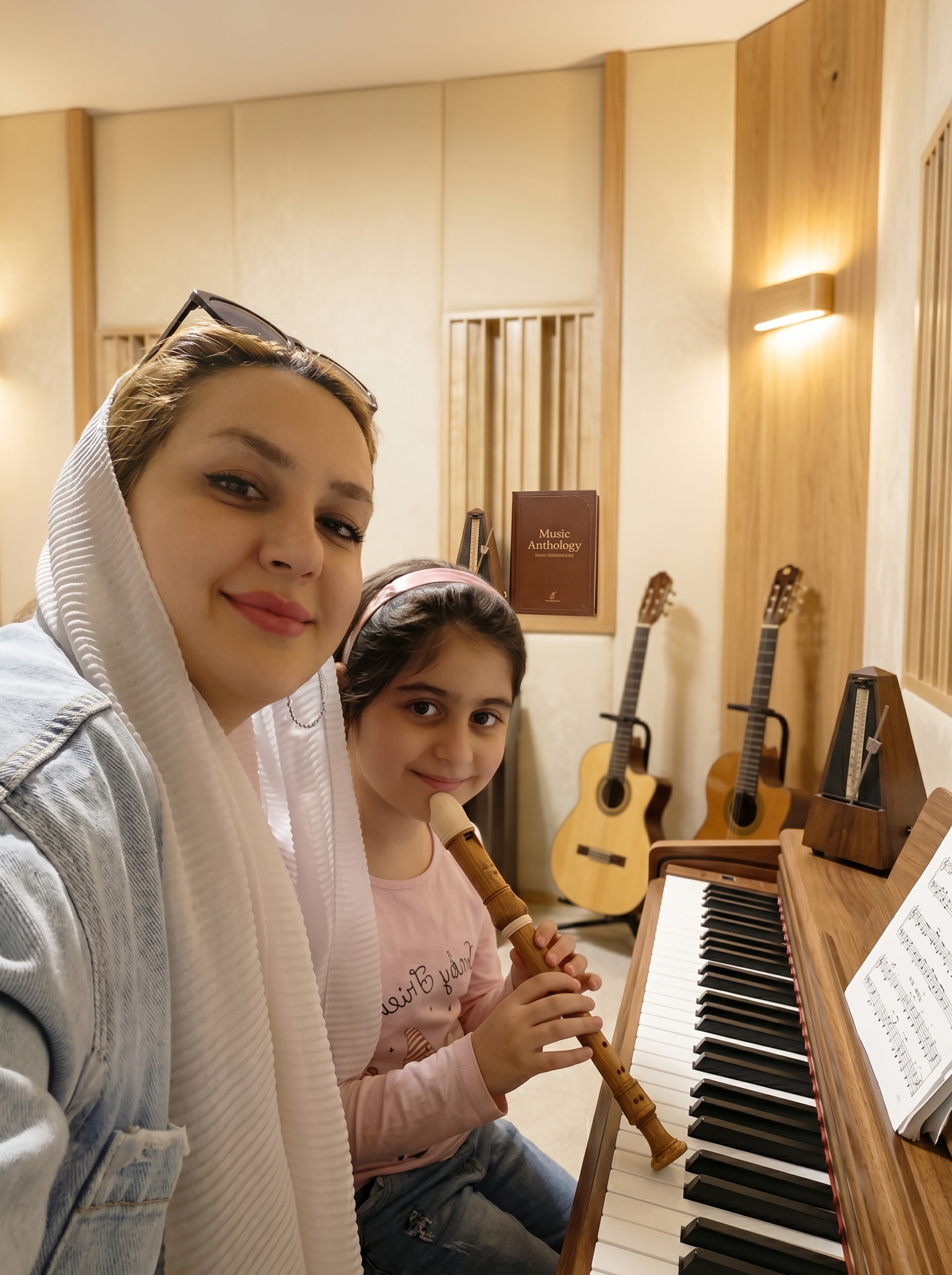
If you are undecided or looking for a gentle entry point, consider the recorder. It teaches breath control, finger dexterity, and reading music—skills transferable to both piano and violin.
What is a Recorder? arrow_forwardThe EliMelody Personalized Approach
At Eli Melody Academy, we don't believe in one-size-fits-all education. The teacher's role is not just to instruct, but to curate a journey that matches the student's temperament. Whether you choose the complex architecture of the piano or the lyrical intimacy of the violin, our instructors are dedicated to preserving the heritage of music while fostering your unique voice.